A Guide To Choosing The Right Floor For You
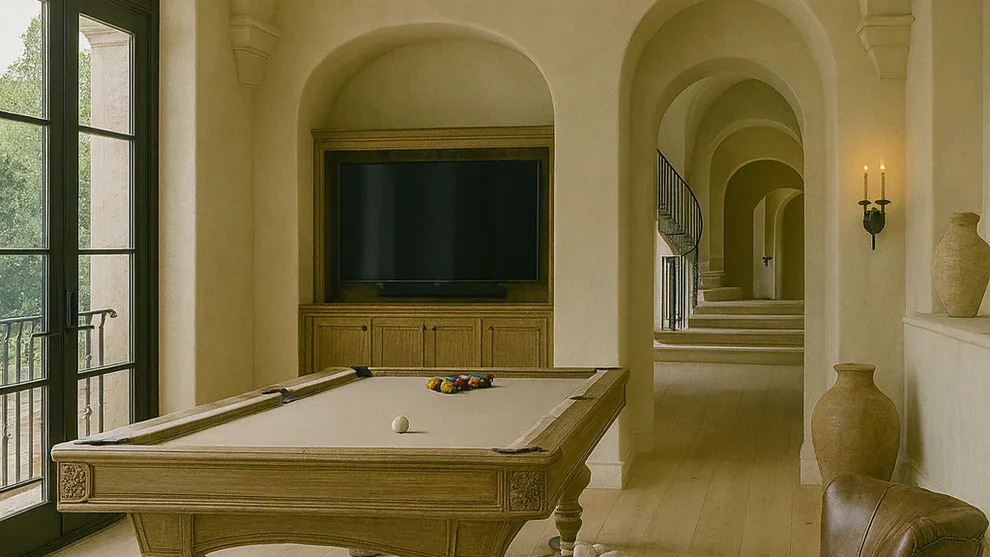
Prague Natural – Topdeck Flooring
Building a new home or renovating an existing one is a major milestone, but often a challenging one too. With thousands of decisions to make, from exterior finishes down to the handles on your kitchen drawers, choosing the right flooring for you may seem like just one more hassle. That’s where we come in. We’ve put together a simple, straightforward guide to help you navigate your options with confidence, making flooring the easiest choice of your building journey.
Here is a summarised table of the main types of flooring in Australia:
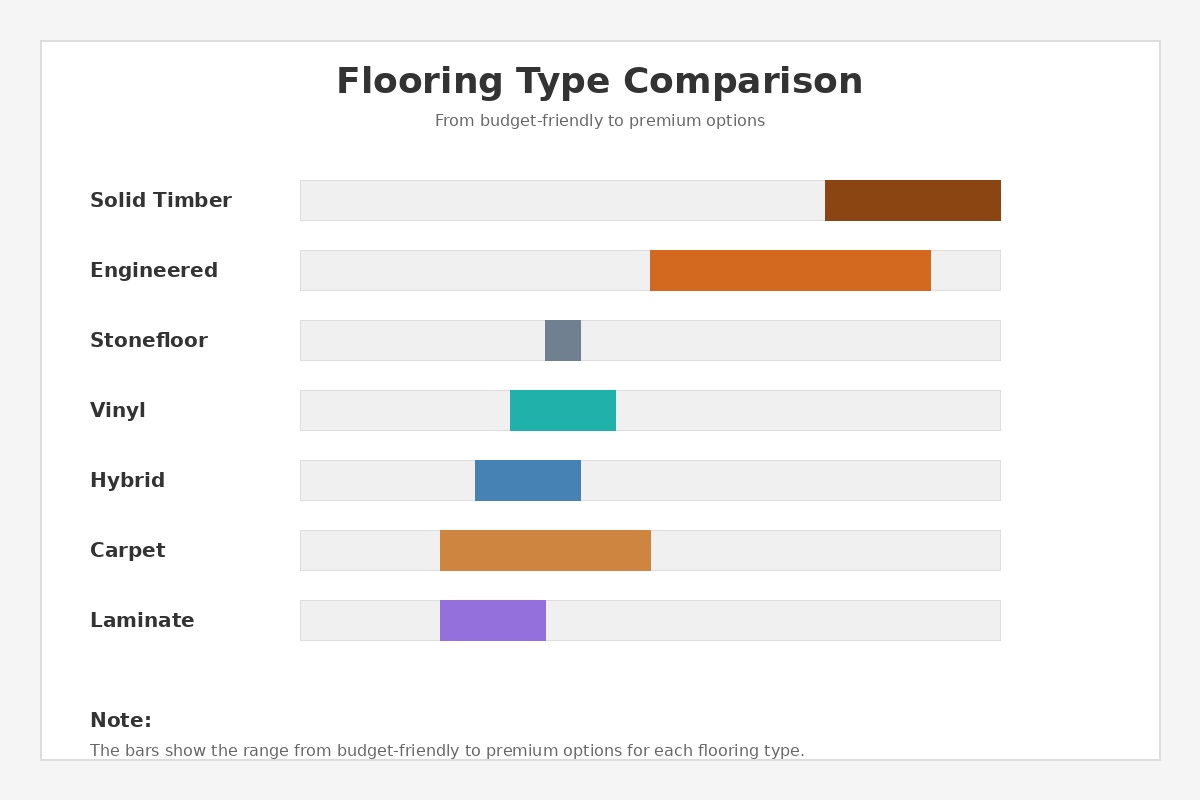
Price comparison of different flooring material types
Things to Consider
There are many factors that would affect what type of flooring is most suitable for you, some more significant ones include: Pricing, Foot Traffic Density and Use-Case.
Flooring isn’t built equally. While most floors should be protected from scratches and water where possible, we understand that sometimes things happen and your floors should accommodate that lifestyle. A big family of 6 (including the family dog) may require more scratch resistant flooring like Laminate, whereas a beachside holiday home might track in more water and wet sand, more fitting for a plastic-based vinyl.
Also note that while some products may be advertised to be 100% waterproof, the rating only applies to the material and does not take into account the after effects of water spillages. For example, Vinyl is a plastic based flooring material that is ‘waterproof’, however, water can seep through the gaps between sheets and causing swelling or mold growth.
1. Solid Timber
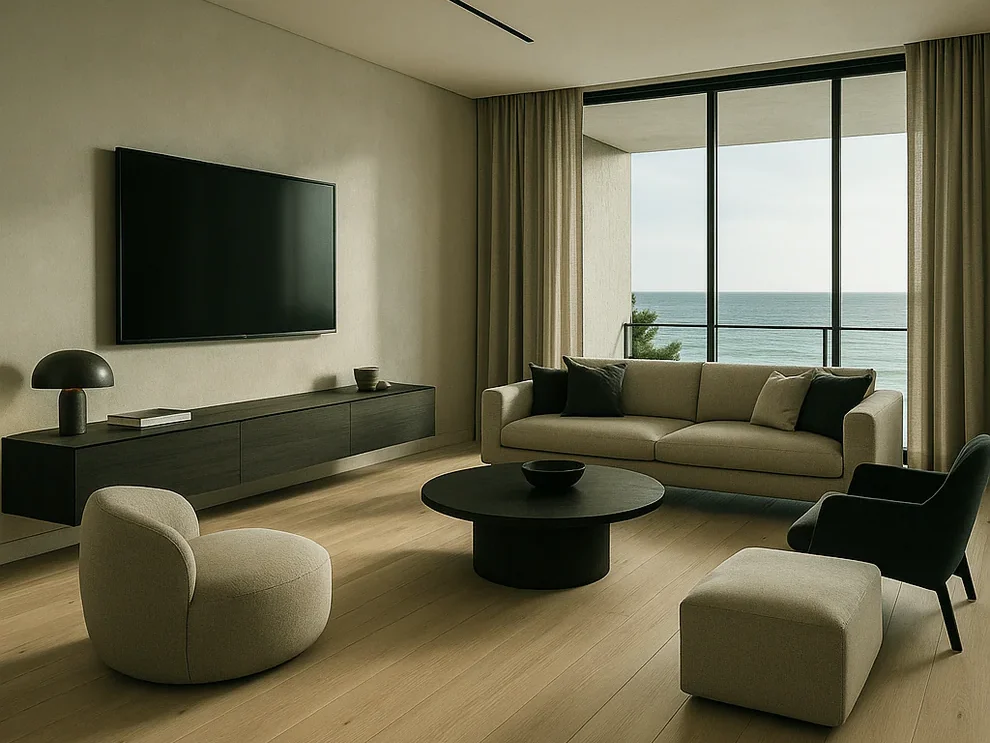
Raw Blackbutt – Topdeck Flooring
Solid timber flooring dominated home construction for centuries, remaining the gold standard well into the mid-20th century. The shift away began in the 1950s–1970s, as concrete slab construction, central heating, and later air conditioning became common, creating faster and more extreme changes in indoor temperature and humidity. These conditions exposed timber’s natural tendency to expand and contract, leading to movement-related issues that were harder to manage in modern homes.
By the 1980s and 1990s, rising hardwood costs, environmental protections, and new building practices accelerated the adoption of engineered timber flooring, which offered greater stability and more efficient use of resources.
Today, Solid Timber Floors remain a premium option for those set on a natural look and finish that offers a real, non-artificial choice that works to complement a cozy vintage feel or juxtapose a contemporary modern house. Solid timber is very susceptible to any changes in temperature and humidity, as well as water spilliages and scratches. Many issues can arise, such as; cupping, warping and bowing. However, since the product is 100% timber, scratches can be buffed out and polished. Thus, with the right care, Solid Timber Floors can last significantly longer, 50 – 100 years, compared to Engineered Timber 20-30 years.
2. Engineered Timber
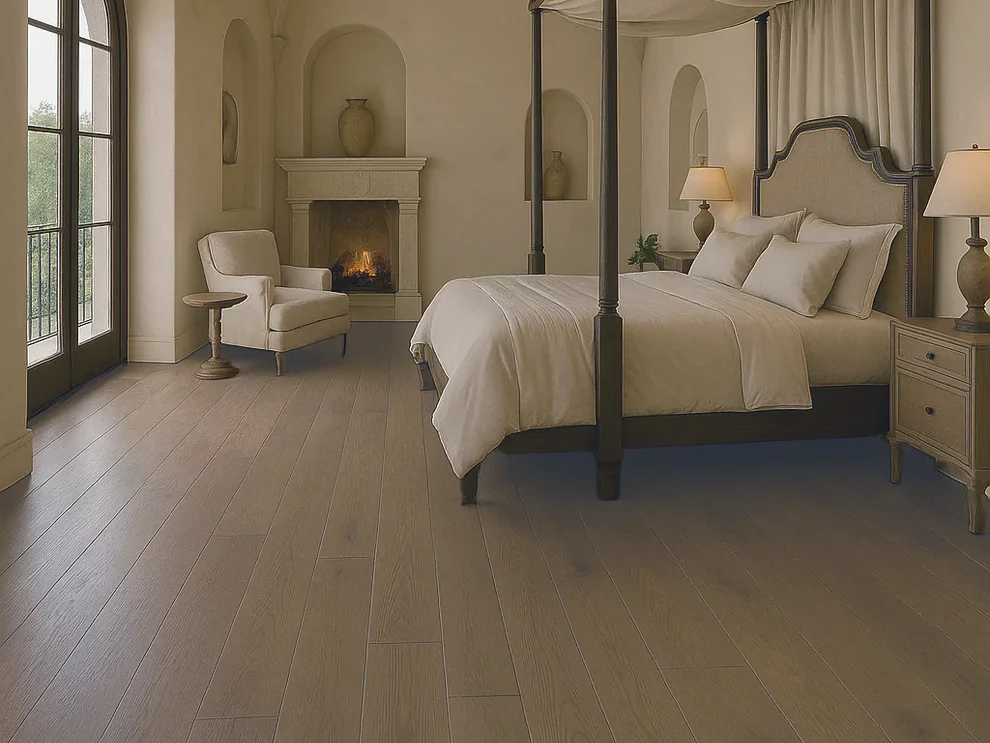
Marrone Oak – Topdeck Flooring
Engineered timber is made from a thin layer of real hardwood bonded over multiple layers of plywood or high-density fibreboard, giving you the authentic look of solid timber with added stability. Unlike traditional solid boards, it is far less prone to expanding or contracting with changes in temperature and humidity, making it a practical choice for modern homes, especially those with concrete slabs or underfloor heating.
Engineered timber sits in the mid – to premium range, depending on the species and finish. While it’s generally more expensive than laminate or vinyl, it is often more affordable than high-end solid timber, and offers a balance between quality, aesthetics, and long-term value.
Installation can either be direct stick where the timber is stuck down to the floor using a specialised timber glue, providing a more rigid feel or floating floor. Floating installation is when the floorboards are laid on top of a foam underlay, this alternative is cheaper but may give a hollow feel that some homeowners dislike.
Engineered Timber Flooring is the premium modern standard in flooring today, the real timber veneer mimics the look and feel of solid timber while the base plywood is more resistant to thermal expansion and moisture. While Engineered Timber Flooring is more durable than its outdated counterpart (Solid Timber), Engineered Flooring is not suitable for those with high energy pets or clumsy children as wood still has the capability to scratch and deform.
3. Stonefloors
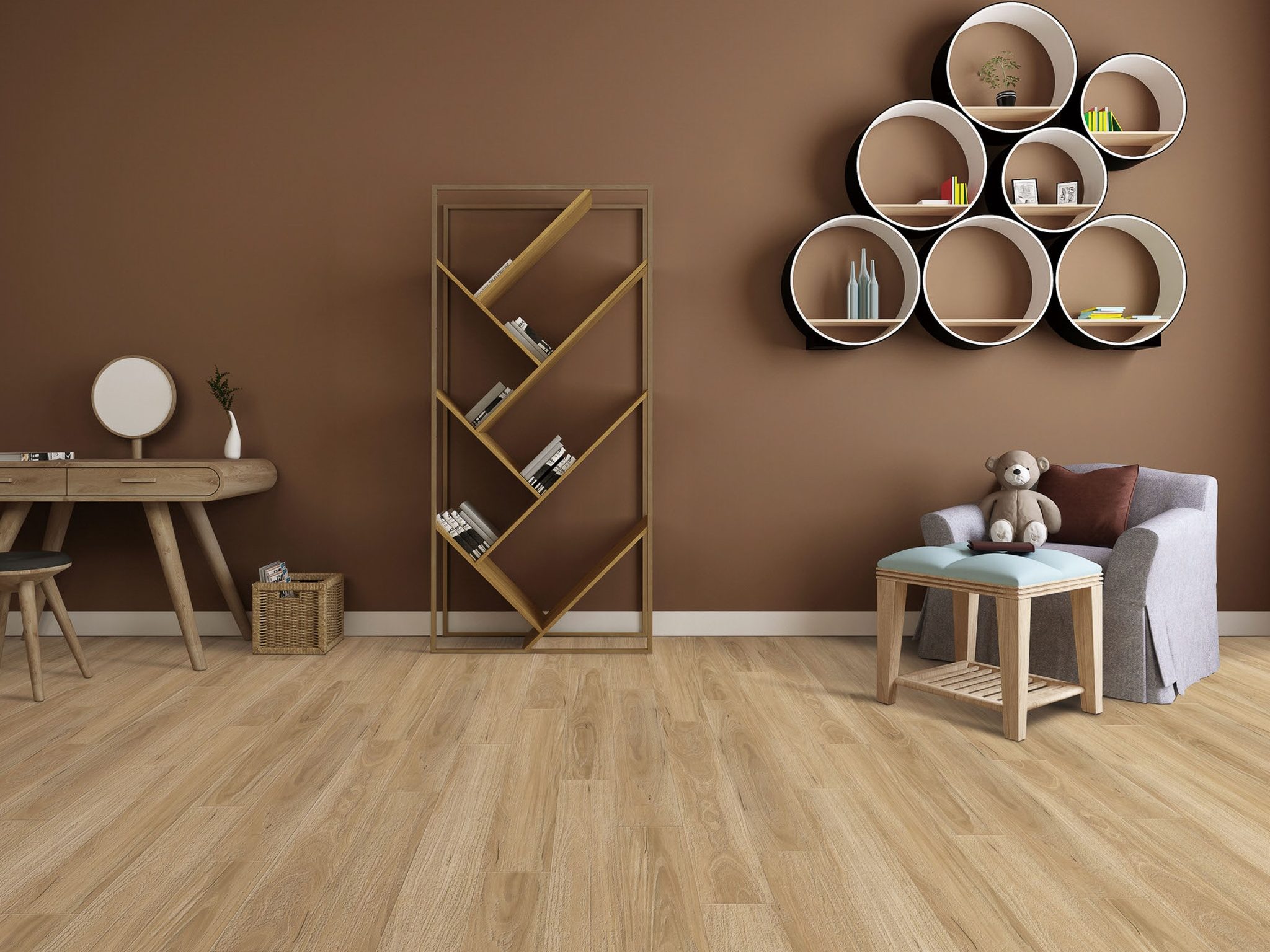
Blackbutt – Stone Floor Australia
Stone flooring is made from quarried materials such as granite, marble, limestone, or slate, which are powdered, mixed with other materials and compressed into slabs. In terms of cost, stone flooring is generally premium, although some slate and limestone options may be mid-range depending on quality and sourcing. Durability is one of its main advantages: stone resists scratches, heavy foot traffic, and general wear. Softer stones, like limestone or marble, are more susceptible to staining or etching and benefit from periodic sealing.
Contrary to its name, Stonefloors can be engineered to mimic the look of wood making it a great pick for high energy households that want the modern look of timber flooring without the risk of scratches, cupping or warping.
Stonefloors are suitable for areas where durability and longevity are priorities. While the upfront cost and professional installation requirements are higher than alternatives like vinyl or laminate, the long lifespan and resistance to damage make stone a practical choice for homeowners seeking a strong, long-lasting flooring solution. Stone Flooring
4. Hybrid (SPC, Wood and Stone Flooring)
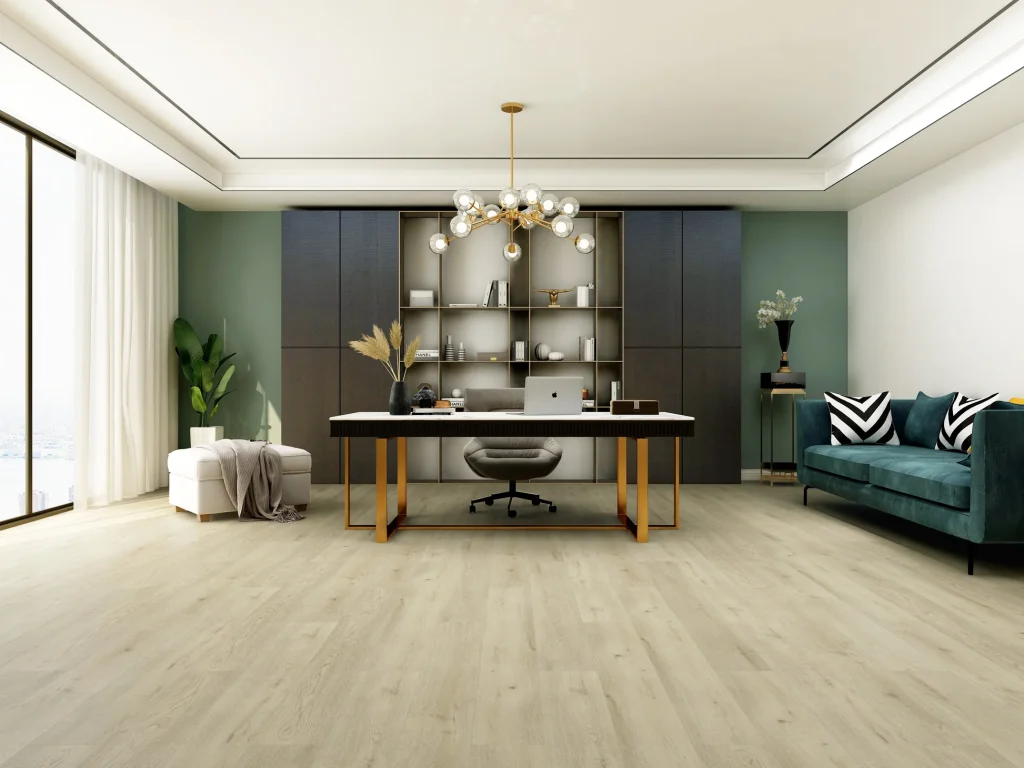
Stamford Oak – Topdeck Flooring
Hybrid flooring combines materials such as limestone composite or stone powder with PVC or other synthetic layers to create a highly stable, durable floor. It is designed to have the appearance of stone or wood by adding a coloured sheet to cover a base layer of stone/plastic material. This sheet is covered by a thin plastic film that protects the material from water, however this film can be scratched and cannot be polished out.
Hybrid flooring is generally mid-range to premium, depending on the composition and finish. It is moderately durable in resisting scratches and due to its composition, won’t expand if exposed to water.
Hybrid flooring is ideal for households that don’t want to dish out premium money for real wood but also dont want to compromise on cheaper alternatives. This type of flooring is ‘waterproof‘ meaning it is perfect for young children that make a mess or pets, however if water is left for too long on the surface, it can seep through gaps within the floorboards and cause mold growth underneath the flooring. Hybrid floors can resist scratching to an extent (occasional pet zoomies or moving of light furniture) but its fragility should still be taken into account.
5. Laminate
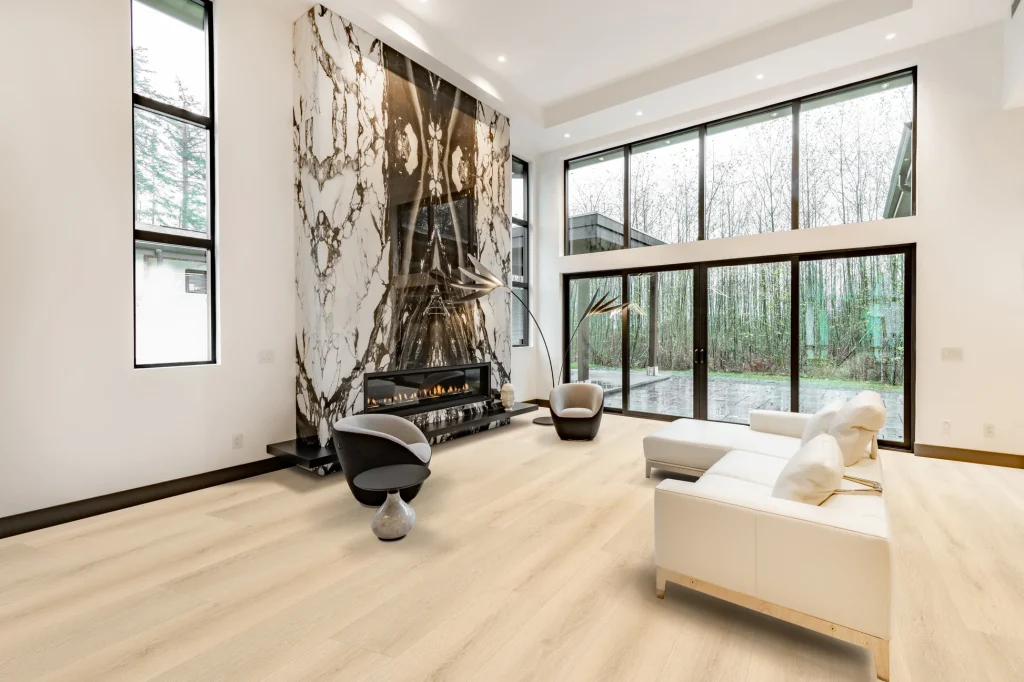
Catalina Oak – Topdeck Flooring
Laminate is a multi-layered, manufactured product built around a core of high-density fiberboard (HDF) made from wood fibers and resins, topped with a decorative image layer (wood, stone) and protected by a clear, durable, resin-infused wear layer.
Laminate is a budget-conscious material that provides durability without sacrificing the look of wood. Laminate flooring is difficult to scratch, making it an optimal choice for high traffic areas such as; living rooms, hallways and offices. However, the HDF is extremely susceptible to water, the wood fibres act like a sponge and soak up the water leading to expansion in the boards and warping.
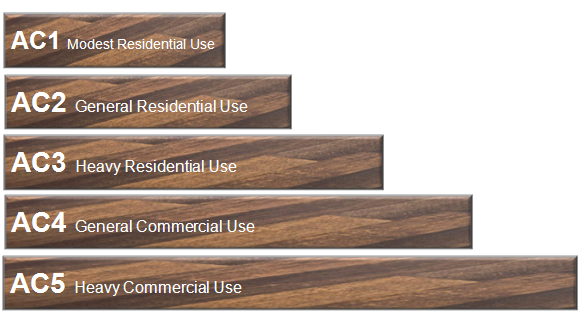
Laminate flooring offers an excellent balance of affordability and durability, making it one of the most popular budget-friendly options available. It is most suitable for high traffic areas that are not subject to too much water. Laminate works best in bedrooms, living rooms, and hallways where moisture isn’t a concern. Look for AC ratings (AC3 for residential, AC4-AC5 for heavy traffic) to ensure adequate durability for your space.
6. Vinyl
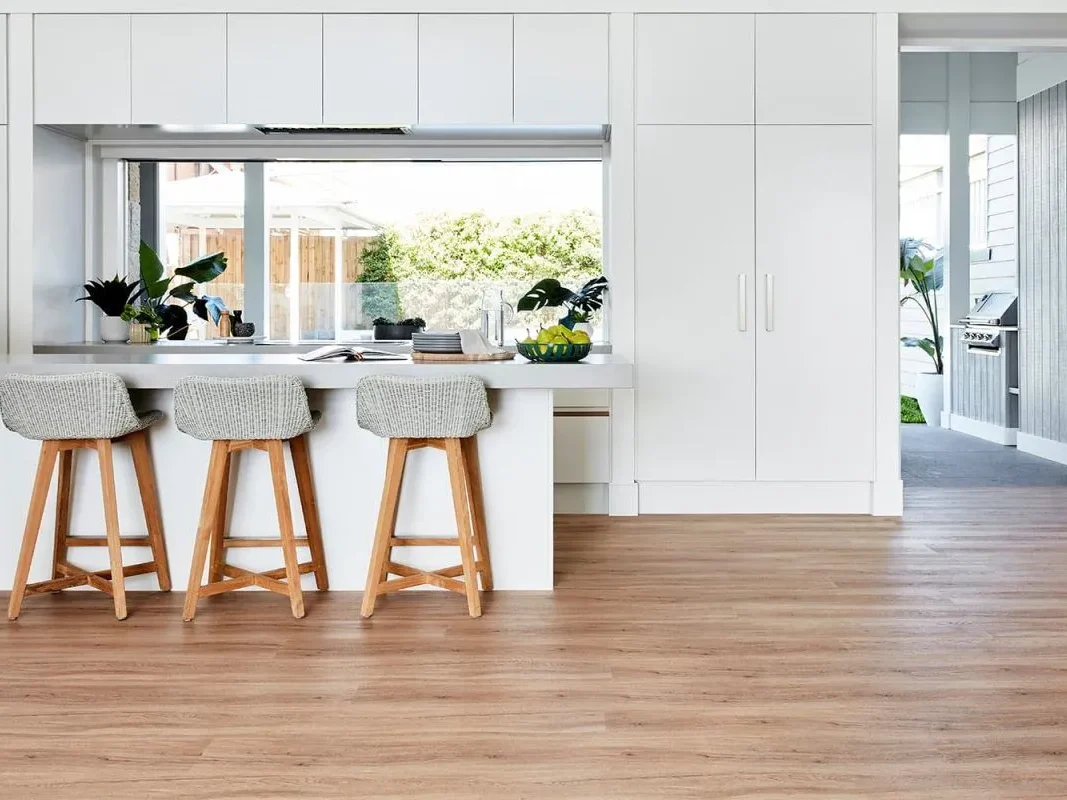
Valencia – Preference Floors
Vinyl flooring is made from synthetic materials, primarily polyvinyl chloride (PVC), sometimes combined with natural fillers and pigments for added texture or pattern. It is manufactured as sheets, planks, or tiles, often with a printed layer to mimic wood, stone, or other surfaces.
Vinyl is generally affordable to mid-range in price, with luxury vinyl planks (LVP) at the higher end (thicker, more durable, more cushioned feel). It is highly durable and resistant to scratches, stains, and water, which makes it well-suited for kitchens, bathrooms, laundry rooms, or rental properties. Thinner vinyl may be more prone to dents or tearing, while thicker options offer longer lifespans and improved sound insulation.
Vinyl performs well in high-traffic areas or spaces exposed to moisture. Its versatility in design and ease of maintenance make it suitable for families, pets, or vacation homes. While not as long-lasting as stone or engineered timber, it offers a practical, cost-effective solution that balances durability with low upkeep.
Vinyl flooring excels in water resistance, making it perfect for bathrooms, kitchens, and basements where laminate fails. Modern luxury vinyl plank (LVP) offers realistic wood and stone appearances while being completely waterproof when properly installed. Vinyl is durable, resists scratches and stains but can dent from heavy furniture or sharp objects, and lower-quality products show wear in high-traffic areas.
Despite these drawbacks, vinyl’s waterproof nature makes it the best choice for moisture-prone areas. Look for thicker wear layers (20+ mil) for better durability and a more quality choice.
7. Carpet
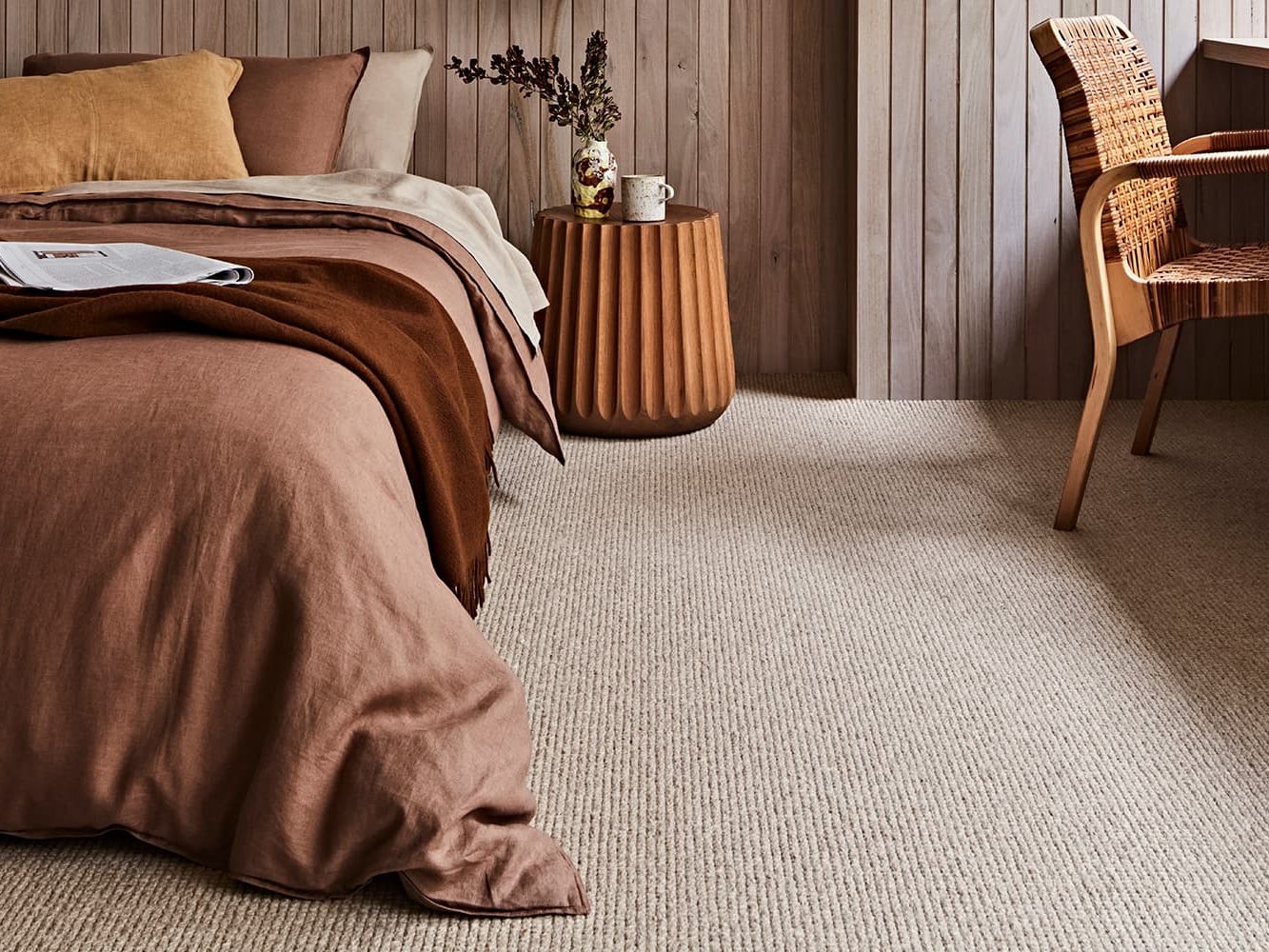
Petra – Hycraft
Carpet flooring is made from fibres that may be synthetic, natural, or blended. Common options include nylon, polyester, polypropylene, and wool. These fibres are tufted into a primary backing and bonded to a secondary backing for stability, then installed over an underlay. Installation usually involves stretching the carpet to the edges of the room where it is locked in place using a ‘smooth edge’ that grips onto the bottom side of the carpet
Carpet generally sits in the affordable to mid-range category, with wool carpets positioned at the premium end. Durability depends on both fibre type and pile construction but is generally not suitable for high traffic areas as carpets will wear down and show high contrast between more worn down areas vs less used areas.
Carpet is ideal for bedrooms and living areas where coziness matters. It provides excellent sound insulation, reducing noise between floors and within rooms. Carpet is slip–resistant and cushioned, making it safer for young children and elderly individuals prone to falls. However, carpet requires significantly more maintenance than hard flooring, needing regular vacuuming and professional deep cleaning to prevent dirt buildup and maintain appearance. Stains from spills can be permanent despite treatments, and carpet absorbs odors from pets, smoke, or cooking. Carpet shows wear patterns in high-traffic areas and offers minimal resale value compared to hardwood.
Wool carpets represent the premium option, offering superior durability, natural stain resistance, and luxurious feel, though at significantly higher cost.
Accessories + Add-ons
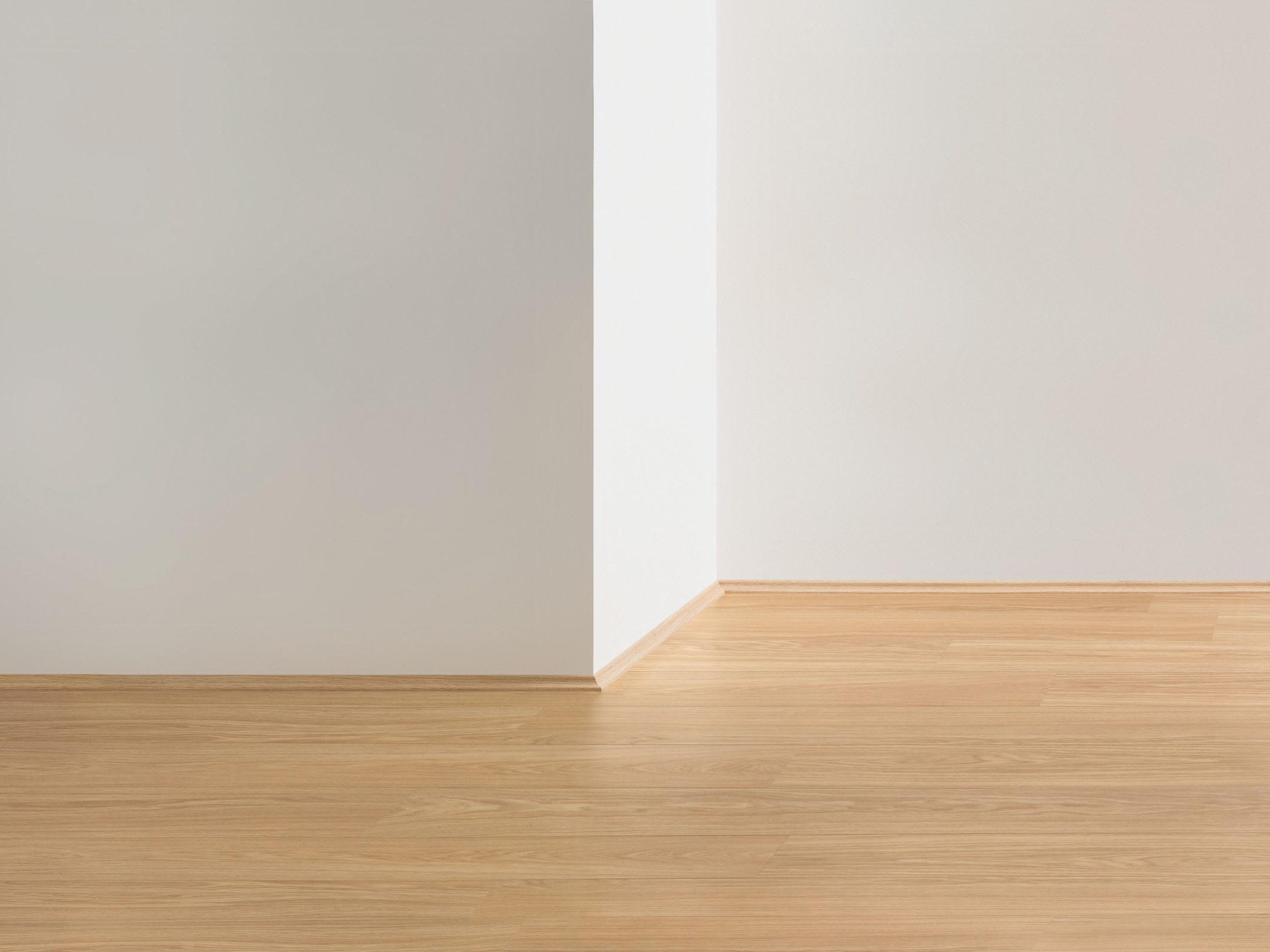
Scotia – Premium Floors
Choosing the right flooring is about more than just the main material. Different floor types may require specific accessories and add-ons to support proper installation, enhance durability, and create a neat, professional finish. This section outlines the essential components to consider, helping you plan with confidence and achieve the best overall result.
Scotia (Quadrant Beading)
A small trim used to cover the expansion gap between the floor and the wall.
When used: If skirting boards are left in place, scotia is used to cover the expansion gap at the edges of the floor. It’s commonly needed in existing homes, while new builds usually don’t require it as skirting is installed after flooring. Scotia may also be used around kitchen islands in existing builds.
Skirting Boards
Decorative boards fitted along the bottom of walls to cover floor edges and expansion gaps.
When used: Typically supplied by the builder in new builds. In renovations, flooring companies may remove and refit existing skirting or install new skirting if required.
Floor Protection
Temporary coverings placed over new flooring to protect it from damage during ongoing works.
When used: Flooring is usually done last but is protection is useful when other trades will be on site after installation.
Waste Disposal
Removal and disposal of old flooring and installation waste.
When used: For larger jobs or when existing flooring needs to be replaced, this creates waste that needs to be disposed of.
Furniture Removal / Moving Furniture
Moving furniture out of rooms before installation and returning it afterward.
When used: Required if rooms are not cleared prior to installation. Costs may be avoided if the homeowner handles this themselves.
Transition Trims
Strips used to create a clean join between different flooring types or at doorways.
When used: Needed where flooring changes between rooms or meets other surfaces such as tiles or carpet, most commonly at bathrooms or bedrooms.
Floor Levelling
Preparation work to smooth or level the subfloor before installing new flooring.
When used: Required if the existing subfloor is uneven, damaged, or not suitable for direct installation. This step is essential in ensuring the prevention of hollow spots and peaking or delamination in thinner flooring material like vinyl
Delivery
Transport of flooring materials and accessories to the site.
When used: Usually included unless materials are collected directly by the homeowner.